
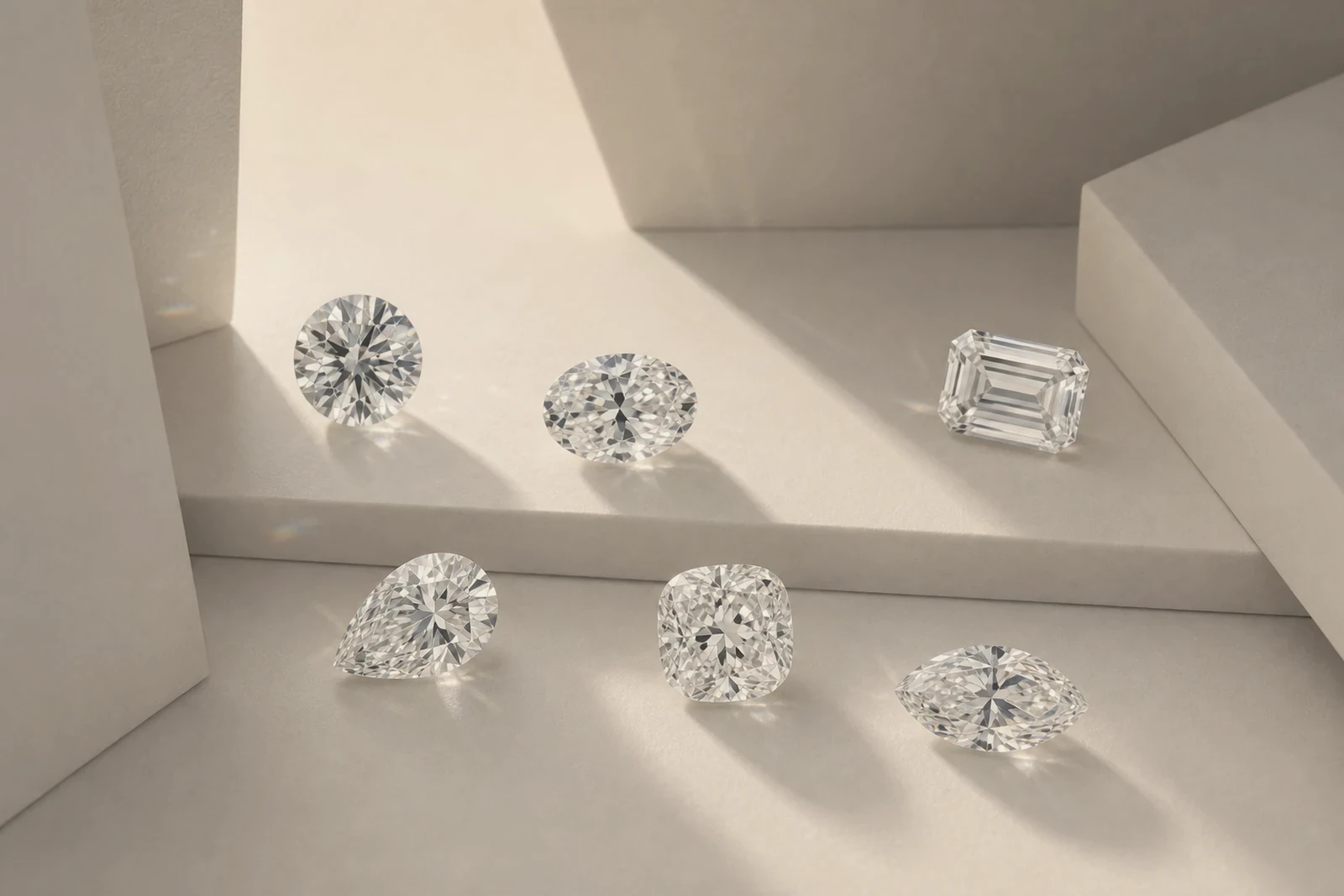
Why shape is usually the first decision
Shape is the most visible choice you will make, and the one people react to instinctively. It also narrows everything that follows: settings, proportions, and how the rest of the budget is best spent.
Most people find they have a preference before they can explain it. That is fine — the explanation can come afterwards.
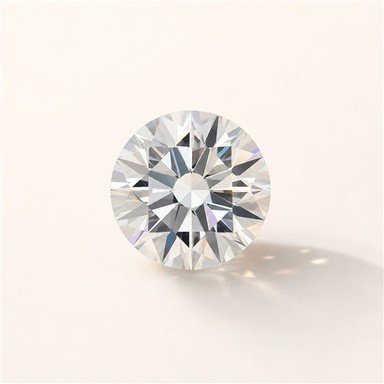
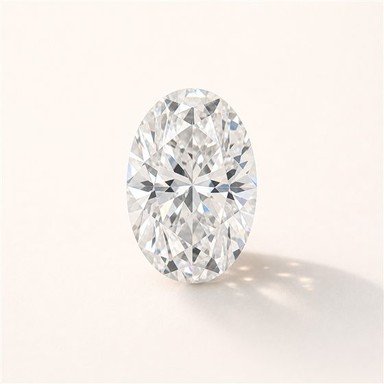
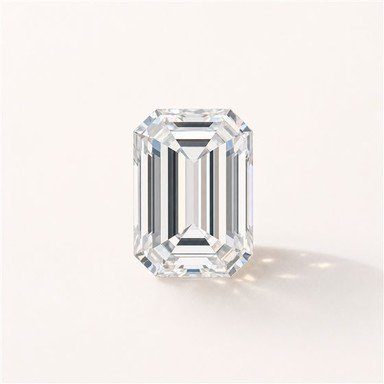
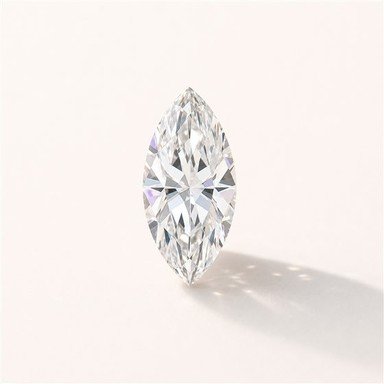
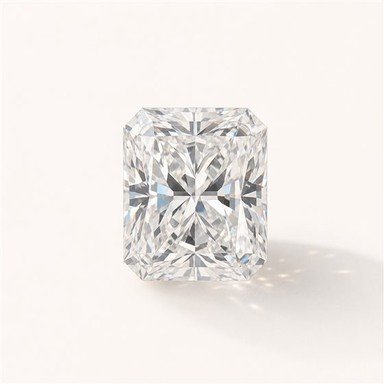
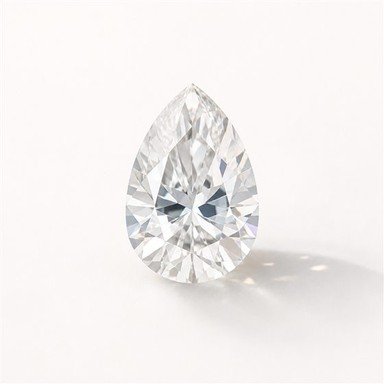
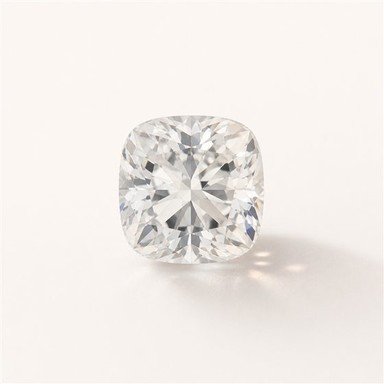
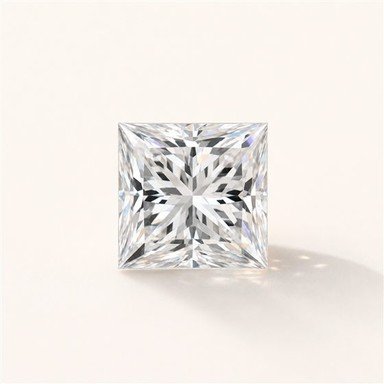
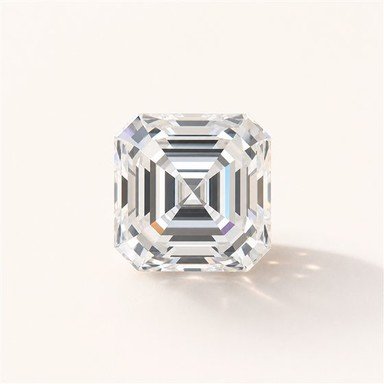
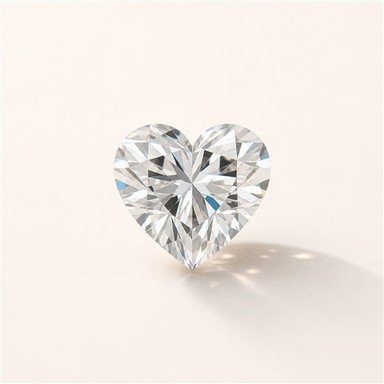
Educational illustrations — not items offered for sale. Shapes are compared in person during a confirmed visit.
Round
The round brilliant is cut specifically to maximise the return of light, and it is the most familiar outline. Its facet arrangement is also the standardised one, which is why an overall cut grade is given for rounds and not for every shape.
Because it is in constant demand and more of the original crystal is lost in cutting, a round tends to sit at the higher end for a given weight.
Elongated shapes: oval, marquise, pear
These stretch the outline, which often makes a stone look larger for its weight and can lengthen the look of the finger.
They can show a darker band across the centre, sometimes called a bow-tie. It varies a great deal — slight or thick, broken into segments or a continuous bar, fixed or brightening as the stone moves. Opinions vary with it: some people expect the pattern in these shapes and some prefer as little of it as possible. The only way to settle it is to look.
Step cuts: emerald and Asscher
Instead of many small facets, these have long parallel planes. The effect is less sparkle and more of a clear, architectural flash.
Because you can see further into the stone, internal features and body colour are easier to notice. Many people choose them precisely for that quieter, more restrained character.
Cushion, princess, radiant, heart
Cushion softens the corners and reads warmer and rounder. Princess and radiant keep a square outline with a brighter, more scattered sparkle. Heart is the most personal and depends heavily on symmetry.
Two stones of the same shape and weight can still look quite different. Comparing them next to each other, in ordinary light, settles the question faster than any description.